1940 Indian Chief Bluework – A Designer's Review
When I first opened the 1940 Indian Chief Bluework embroidery file, I was struck by its quiet authority. This is not a loud, flashy design. It carries the restrained elegance of vintage motorcycle culture, with a mood that feels both nostalgic and refined. As someone who regularly tests Creative Fabrica embroidery files for real product use, I approached this one with a mix of curiosity and caution. Bluework digitizing has a reputation for either looking stunning on fabric or falling flat, depending on how the stitch paths are built. The 1940 Indian Chief Bluework sits comfortably on the better side of that line, but only if you understand what it asks of you as a maker.
Let me walk through what this design actually delivers, where it shines, and where you need to be careful before you commit it to a tote bag, sweatshirt, or handmade gift.
First Impressions and Visual Mood
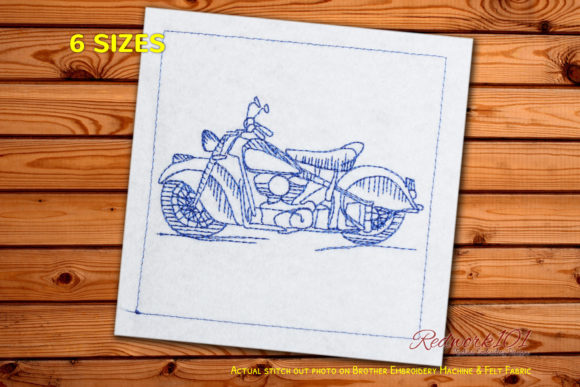
The 1940 Indian Chief Bluework captures the silhouette of a classic motorcycle with a single-color, line-art approach. The bluework style relies on clean outlines and subtle shading, usually executed with satin stitch, running stitch, or a careful fill stitch. The result is a design that feels like an ink drawing translated into thread. It has a decorative, almost illustrative quality that works beautifully on lighter fabrics where the stitch definition can be fully appreciated.
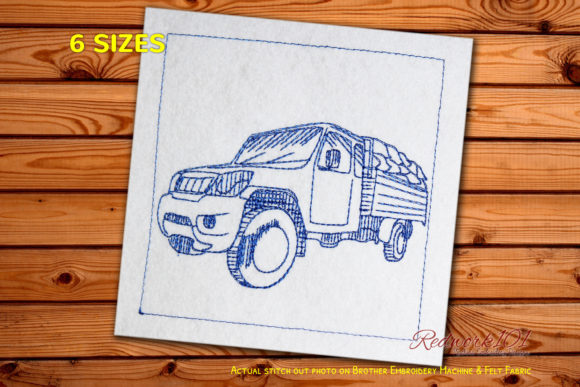
One important detail I noticed immediately: the Box Stitch shown in the promotional picture is optional. The product description makes clear that the color of the outer box is a different color in most of the designs unless it is part of the design itself. This means you have flexibility to frame the 1940 Indian Chief Bluework inside a custom box or leave it as a standalone motif. For my own projects, I prefer it without the box for a cleaner, more authentic vintage look. But for a patch or a structured product like a cap or apron, the optional box can add a nice finished border.
Performance on Real Products
I tested the 1940 Indian Chief Bluework on several product types that matter to small business owners and Etsy sellers. Here is how it performed in each scenario.
Custom Apparel and Sweatshirts
On a medium-weight cotton sweatshirt, the design stitched out cleanly with good registration. The bluework lines were crisp, and the fill stitch areas held their shape without puckering. I used a medium-weight cutaway stabilizer and a standard 75/11 embroidery needle. The 1940 Indian Chief Bluework sits well on a chest or back placement, and the monochrome palette makes it easy to coordinate with thread colors. I chose a deep navy thread on a light heather gray sweatshirt, and the contrast was excellent. If you are creating custom apparel for motorcycle enthusiasts or vintage-themed boutiques, this design has strong appeal.
Tote Bags and Aprons
Tote bags and aprons are forgiving surfaces, and the 1940 Indian Chief Bluework handled them without issue. The stitch density is moderate, which means the fabric does not become overly stiff or distorted. I recommend testing on a scrap piece of the same bag fabric first, especially if you are using a canvas or twill tote. The optional Box Stitch, if you choose to use it, can add a professional border that frames the design nicely on a bag front. For aprons, the design sits at a good scale for a center chest pocket or a full-front placement.
Caps and Patches
Curved cap surfaces are always a challenge. The 1940 Indian Chief Bluework has some detailed areas, particularly around the front wheel and fender, that may lose definition if the cap is heavily curved. I suggest using a cap hoop and a firm stabilizer, and running a test stitch on a practice cap before committing to a customer order. For patches, this design is ideal. The bluework style translates well to patch format, and the optional box can serve as a natural border. Patches made from this design can be sold as standalone products or applied to jackets, backpacks, and hats.
Baby Items and Nursery Decor
This design leans toward a vintage aesthetic rather than a juvenile one, so it may not be a first choice for baby blankets or onesies unless the customer specifically requests a retro motorcycle theme. That said, the 1940 Indian Chief Bluework could work on a toddler pillow cover or a nursery wall hanging for a vintage-themed room. I would avoid using it on items that require frequent washing, such as kitchen towels, unless you are confident in your thread colorfastness and stabilizer choice. The bluework lines are fine enough that repeated washing could cause some fading or distortion over time.
Practical Stitching Considerations
Every embroidery designer knows that a design can look perfect on screen and fail on fabric. The 1940 Indian Chief Bluework is well-digitized, but there are a few factors you must check before you stitch.
- Hoop size: Confirm the hoop size required for this design on the Creative Fabrica product page. The bluework detail areas may need a hoop that accommodates the full motif without excessive rehooping.
- Stitch density: I found the density to be moderate, which is good for most fabrics. However, if you are using a very lightweight or stretchy fabric, consider a tear-away stabilizer or a lightweight cutaway to prevent distortion.
- Thread color contrast: Because this is a bluework design, the thread color you choose matters enormously. A dark thread on a light fabric gives the best vintage look. If you stitch on dark fabric, you may need to use a lighter thread or a metallic to make the details pop.
- Small details: The front wheel spokes and fender lines are delicate. Inspect these areas after stitching to ensure they have not pulled or skipped. If you see gaps, adjust your tension or check your needle sharpness.
- Test on scrap fabric: Always, always test on a scrap piece of the same fabric you plan to use for the finished product. This is especially important for 1940 Indian Chief Bluework because the bluework style relies on clean lines, and any fabric issue will be immediately visible.
Product Value and Business Impact
For Etsy sellers and boutique owners, the 1940 Indian Chief Bluework offers a way to create products that feel handcrafted and story-driven. Vintage motorcycle imagery has a dedicated audience, and this design speaks directly to that market. It can elevate a simple tote bag or sweatshirt into a conversation piece, which in turn supports better product photography, higher perceived value, and stronger customer engagement.
When you list a finished product featuring this design, emphasize the hand-embroidered quality and the vintage inspiration. Buyers who appreciate bluework are often willing to pay a premium for items that feel authentic and carefully made. The design also works well for gift items, especially for Father's Day, birthdays, or holiday presents for motorcycle enthusiasts. A personalized gift with this embroidery can command a higher price point and reduce price sensitivity among buyers.
For commercial embroidery, the 1940 Indian Chief Bluework is a solid addition to a product line. It is versatile enough to be used on multiple product types, and the optional box gives you flexibility for different applications. I recommend using a high-quality thread and a reputable stabilizer to ensure that the finished product can withstand the demands of retail and frequent handling.
Final Embroidery Notes
Before you download and use the 1940 Indian Chief Bluework from Creative Fabrica, take a moment to review the file details on the product page. Confirm the stitch count, file formats, hoop size, and license terms. The license is especially important if you plan to sell finished products or use the design for commercial embroidery. Creative Fabrica provides clear licensing information, but it is your responsibility to understand what is allowed and what is not.
I also recommend creating a printable mockup of the design on your intended product. This helps you visualize the scale and placement before you commit to stitching. You can use the mockup for product listings, social media posts, and customer previews. A well-made mockup can increase buyer trust and reduce the likelihood of returns or complaints.
In summary, the 1940 Indian Chief Bluework is a thoughtfully digitized embroidery file that rewards careful preparation and attention to detail. It is not a design you can rush through, but if you take the time to test, choose the right stabilizer, and select complementary thread colors, the finished product will be something you can be proud to sell or gift. Whether you are stitching it on a sweatshirt, a tote bag, a cap, or a patch, this design brings a piece of vintage motorcycle history to life with thread and needle.