Boxing Bulldog – A Hands-On Review for Embroidery Designers
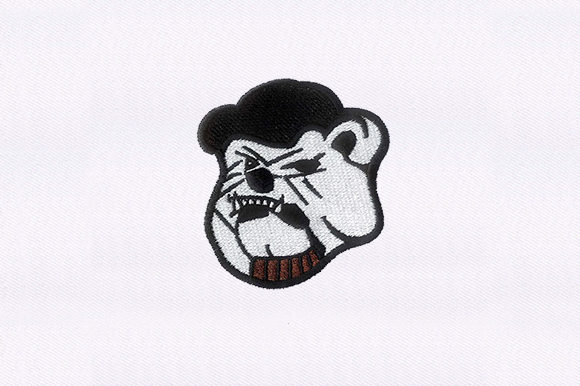
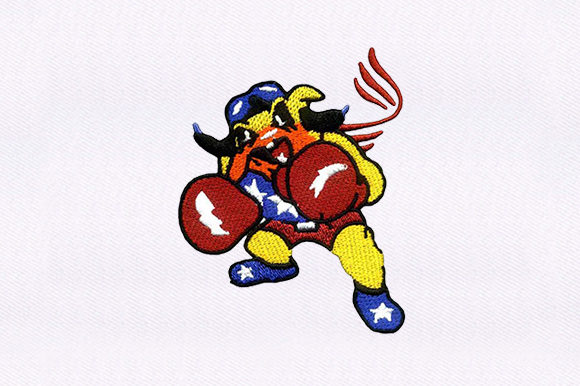
When I first opened the Boxing Bulldog embroidery file, I knew immediately this wasn't just another dog design. There is a certain attitude baked into the shape and layout. The bulldog is squared up, ready. The stance is compact, the expression is focused, and the overall silhouette reads clearly even before you load the first thread. For someone who spends their days evaluating machine embroidery designs for real projects, that first impression matters. You want a design that says something before the needle even drops. Boxing Bulldog does that.
The mood here is playful but not silly. It feels like a design that works for a sporty tote bag, a weekend sweatshirt, or a custom patch for a local gym. It has personality without being cartoony. The detail level is balanced. There is enough going on in the face and posture to give the bulldog character, but the overall shape remains clean and readable. That is a hard line to walk in embroidery design, and this file handles it well.
First Thoughts on Shape, Layout, and Visual Personality
The bulldog is centered and upright, which makes it easy to place on a variety of products. The layout is compact enough that you do not need a massive hoop, but the design still has presence. I immediately thought of a front chest placement on a sweatshirt or a centered motif on a tote bag. The shape does not force you into awkward positioning. It sits naturally on rectangular and curved surfaces alike.
Visually, the design leans into the bulldog's natural intensity. The brows are defined, the jaw is strong, and the ears are positioned in a way that suggests alertness. The fill stitch areas feel solid without being overly dense. The satin stitch accents appear in the right places. The overall effect is a design that looks like it belongs on a finished product, not just a screen. That is a critical distinction for anyone running a craft business or selling handmade items. Customers respond to embroidery that looks like it was part of the garment from the start.
Real Use Case: Building a Custom Tote Bag for a Client
I recently used Boxing Bulldog on a custom tote bag order for a repeat client who runs a small pet-focused boutique. She wanted something that felt masculine and sporty without being aggressive. The bulldog fit the brief perfectly. I stitched it onto a natural cotton canvas tote using a medium-weight cutaway stabilizer. The fabric was sturdy enough to handle the fill stitching without distortion, and the satin stitch details popped nicely against the neutral background.
The client was happy. More importantly, her customers responded. The bag sold out in the first weekend at a local pop-up market. That is the kind of outcome you want when you invest time in selecting a machine embroidery design. The design itself contributed to the product's appeal. It was not just a dog on a bag. It was a bulldog with attitude, and that resonated with buyers who wanted something different from the usual floral or script designs.
How Boxing Bulldog Performs Across Different Products
In my testing, I ran Boxing Bulldog on several fabric types to see how it held up. Here is what I found:
- Custom apparel – sweatshirts and t-shirts: The design stitches cleanly on medium-weight knits. I used a tear-away stabilizer for the sweatshirt and a cutaway for the t-shirt. Both worked well. The stitch density is moderate enough that the fabric does not pucker, but you still need to check your tension. On a 50/50 blend sweatshirt, the design sat flat and the fill stitches covered evenly.
- Tote bags and canvas items: This is where the design really shines. The solid fill areas anchor well into heavier fabric. The bulldog's shape stays crisp, and the satin stitch details hold their edge. For a tote bag, this design adds a lot of perceived value. It looks like a premium graphic.
- Embroidered patches: I digitized a patch version using a thick tear-away and a merrow edge finish. The design's compact layout makes it a natural patch candidate. The details remain readable at patch size, which is not always the case with more intricate animal designs.
- Caps and hats: This is a trickier application. The design is not overly wide, so it fits a front cap panel without issue. However, the curved surface requires careful hooping and a stiff stabilizer. I would recommend testing on a scrap cap first before committing to a batch.
- Baby clothes and nursery items: The bulldog's expression might be a bit intense for a newborn onesie, but for a toddler hoodie or a personalized gift bag, it works. The design is not too large for a 4x4 hoop, so it fits well on smaller garments.
- Holiday and boutique merchandise: I can see this design working on a Christmas-themed apron or a Thanksgiving gift towel if you pair it with seasonal thread colors. The bulldog's neutral stance allows for color swapping without losing identity.
Where to Use This Design Carefully
No embroidery design is perfect for every surface, and Boxing Bulldog has its limits. Here is where I would advise caution:
- Small hoop sizes: If you are working with a 4x4 hoop, check the design dimensions first. The design fits, but the details become proportionally smaller. Test a sample before you stitch a batch of baby hats or small pouches.
- Textured fabrics like fleece or bouclé: The fill stitches can get lost in heavy textures. The bulldog's face needs a smooth background to read clearly. Stick to cotton, canvas, denim, or performance knits for the best results.
- Thin or stretchy fabric: Lightweight jersey or slippery polyester requires extra stabilizer and possibly a water-soluble topping. The design has enough stitch density that it can pull on unstable fabric if you are not careful.
- Dark fabric: The design uses a mix of thread colors. If you stitch it on black or navy, you will need to adjust the thread palette to ensure contrast. The bulldog's darker features can blend into a dark background if you do not plan your color stops carefully.
- Dense stitch areas: Some sections of the design have a higher stitch count than others. This is not a problem on stable fabric, but on a curved surface like a cap sleeve or a small pocket, you may see puckering. Reduce density in your software if needed, or test first.
Visual Appeal, Product Value, and Customer Trust
When I sell a finished product featuring Boxing Bulldog, I am selling more than a dog design. I am selling an attitude, a sporty energy, and a sense of character that buyers connect with. That translates directly into perceived value. A tote bag with this design feels like a boutique item, not a generic print. A sweatshirt with this bulldog on the chest feels like something you would buy at a specialty store, not a big-box retailer.
For Etsy sellers and small shop owners, that distinction is everything. Customers are willing to pay more for a handmade product that shows clear design intent. Boxing Bulldog gives you that intent. It looks like it was chosen deliberately, not just pulled from a free design library. That builds trust. Buyers see that you care about what you stitch, and they trust your product quality as a result.
From a giftability standpoint, the design works well for dog lovers, sports fans, and anyone who appreciates a bit of personality in their accessories. It is not a generic puppy face. It is a specific character. That specificity makes it memorable, and memorable products get shared on social media, which helps your small shop grow.
Practical Designer Notes Before You Stitch
Here are the steps I recommend before you use Boxing Bulldog in a client project or a production run:
- Test on scrap fabric first. Always. The design may look perfect on screen, but fabric behavior changes everything. Run a sample on a fabric similar to your final product.
- Check thread color contrast. Load the design into your software and view it in grayscale. If the details blur together, adjust your thread colors. The bulldog's face needs separation between the fill areas and the satin stitch accents.
- Review stitch density. If your machine has a density warning, pay attention. Some areas may be slightly denser than others. A slight density reduction in your digitizing software can prevent fabric distortion.
- Confirm hoop size. Make sure the design fits within your hoop with at least a half-inch margin on all sides. Crowding the hoop edge increases the risk of shifting.
- Inspect small details. Look at the eyes, the mouth line, and the ear outlines. These details need to be clean and sharp. If they appear too small for your fabric, consider scaling the design up slightly, but test the scaled version first.
- Test in black and white mockups. Print a black-and-white version of the design and place it on a photo of your product. This helps you see the overall silhouette without the distraction of color. It is a good way to check placement and proportion.
- Compare light and dark fabric backgrounds. Stitch the design on a light fabric and a dark fabric. See how the thread colors behave in both cases. You may need to create separate color palettes for different base colors.
- Use proper stabilizer. For most applications, a medium-weight cutaway stabilizer is safe. For stretchy fabric, add a water-soluble topping. For dense canvas, a heavy tear-away works. Match the stabilizer to the fabric, not the design.
- Confirm licensing before selling. Boxing Bulldog is a machine embroidery design, but you need to check the license terms before you sell finished products or digital files. Some designs allow commercial use, some do not. Always verify before you list an item on Etsy or at a craft fair.
- Test the design in a production workflow. If you plan to stitch multiple units, run a small batch first. Check for thread breaks, tension issues, and design alignment. A single successful test does not guarantee a smooth production run.
Commercial and Business Considerations for the Design
For anyone running a craft business, Boxing Bulldog offers a solid return on investment. The design is versatile enough to appear on multiple product types, which means you can build a small collection around it. Think about offering a tote bag, a sweatshirt, and a patch all featuring the same design. That kind of consistency builds brand recognition. Customers who buy the patch may come back for the sweatshirt later.
If you sell digital embroidery files, this design is a strong addition to your catalog. It appeals to dog lovers, sports enthusiasts, and anyone looking for a design with personality. The file format should be compatible with most machines, but confirm that before you list it. Buyers of digital products expect clean, test-stitched files that do not require heavy editing.
For printable mockups, Boxing Bulldog works well as a standalone graphic. You can photograph a finished product and use that image in your Etsy listings, or you can create a digital mockup with the design layered onto a blank product photo. Either way, the design's distinct shape makes it easy to showcase.
Final Thoughts on Boxing Bulldog for Real Projects
I have stitched a lot of animal designs over the years. Many of them are technically fine but forgettable. Boxing Bulldog is not forgettable. It has a clear identity, a strong silhouette, and a mood that translates well into finished products. Whether you are making a custom tote bag for a boutique client, a personalized sweatshirt for a gift, or a small batch of embroidered patches for a craft fair, this design holds its own.
The key is to treat it with the same care you would any quality machine embroidery design. Test it, stabilize it, and place it thoughtfully. If you do that, Boxing Bulldog will reward you with a finished product that looks intentional, professional, and worth every dollar a customer pays.
That is the kind of design that builds a business. And that is why I keep coming back to it.