Skeleton Sign: Testing a Halloween Embroidery Design for Personalized Gifts
When I first opened the Skeleton Sign machine embroidery design, I wasn't sure what to expect. As someone who runs a small embroidery shop and tests dozens of digital embroidery files each month for personalized gift orders, I have learned to be both hopeful and skeptical. Would this design work on a baby blanket? Could it hold up on a kitchen towel? Would an Etsy seller feel confident offering it to a customer looking for a meaningful, handmade product? After stitching several test versions on different fabrics, I can say this: Skeleton Sign has real potential for the right personalized gift, but it requires thoughtful planning to deliver the quality your customers expect.
First Impressions: Mood, Charm, and Detail Level
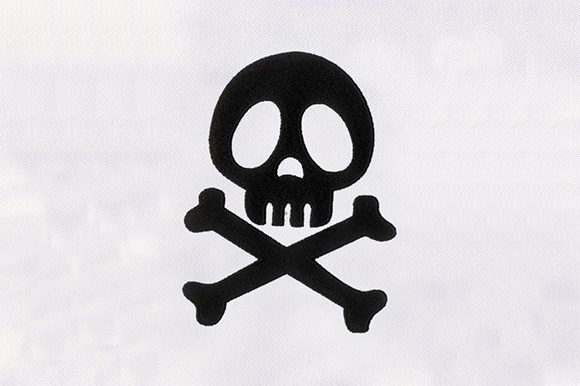
Out of the gate, Skeleton Sign carries a playful, slightly mischievous mood that feels appropriate for Halloween but not so spooky that it limits its use. The charm lies in its balance—it is sweet without being sugary, and it has enough detail to feel custom and special without overwhelming the fabric. The design reads as a whimsical piece that could appeal to families who want a seasonal keepsake, a quirky baby shower gift, or even a wedding gift for a couple with a fun-loving aesthetic. The emotional appeal is warm and approachable, not gothic or intense. For a small shop owner, this means you can market it to a broader audience within the Halloween and fall season without alienating customers who prefer cute over creepy.
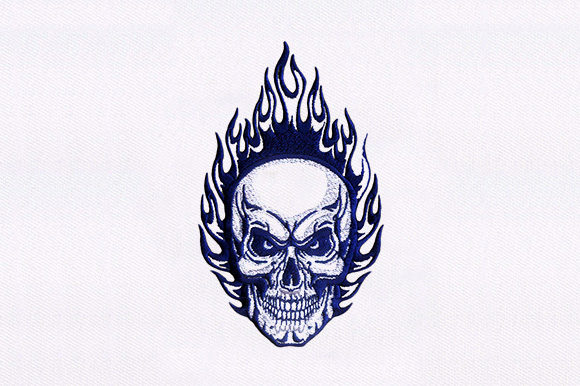
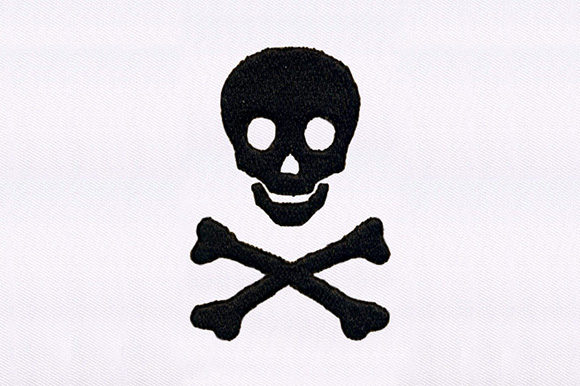
I tested the embroidery file on a medium-weight cotton twill first, using a light thread color to see how the details emerged. The design stitched out cleanly, with the skeleton motif reading clearly even at a moderate size. The stitch density felt balanced—not too dense to cause puckering, but solid enough to give the embroidery a polished, durable finish. That initial test gave me confidence that this could work across a range of personalized products.
Where Skeleton Sign Shines in Personalized Gift Products
After my first test, I started imagining how Skeleton Sign could be used in real customer orders. The design is versatile enough to adapt to several popular gift categories, and I believe it will resonate especially well with certain buyers.
Baby Embroidery and Nursery Decor
Yes, a skeleton on a baby item might seem unconventional, but I have seen a growing demand for baby embroidery that leans into playful, non-traditional themes. Parents who love Halloween, anatomy, or quirky decor will appreciate a custom onesie, swaddle blanket, or nursery wall hanging featuring Skeleton Sign. The design is not scary—it is more like a friendly, cartoonish skeleton that fits a modern or whimsical nursery. For a personalized gift, you could add the baby's name in a complementary font nearby, and suddenly you have a keepsake that feels both unique and thoughtful.
Wedding Gifts and Couple Keepsakes
I have also been testing Skeleton Sign for wedding gift applications. Believe it or not, skeleton motifs have become popular among couples who celebrate Halloween weddings, autumn ceremonies, or simply share a love for offbeat design. A custom pillow cover, tote bag, or embroidered apron with the skeleton design and the couple's names or wedding date makes a memorable, handmade product. The handmade product angle is strong here—couples value authenticity, and a well-stitched embroidery piece feels more personal than a store-bought item.
Personalized Towels, Aprons, and Blankets
For the embroidered towel category, I recommend testing the design on a lower-pile towel or a flour sack towel. The detail level in Skeleton Sign holds up well on these surfaces, and the whimsical skeleton adds a fun touch to a kitchen or guest bath gift. Similarly, an apron with this design would appeal to home bakers or grill masters who enjoy a seasonal look. On a blanket embroidery project, I found the design stitched beautifully on a fleece throw, with the stitches sinking in just enough to feel secure without distorting the fabric. For a custom tote bag, the design sits nicely as a centerpiece or pocket detail, giving the bag a handmade, boutique feel.
Pillow Covers, Craft Fair Products, and Etsy Listings
I can easily see Skeleton Sign becoming a popular item for Etsy sellers who specialize in seasonal decor. A pillow cover featuring this design, paired with a simple fabric backing, would photograph well and attract buyers looking for fall or Halloween home accents. For craft fair products, the design offers a quick stitch-out that you can produce in volume, making it efficient for a small shop product. The digital embroidery file itself is a selling point—you can offer finished products or sell the design as a printable mockup for customers to preview their custom order.
Where to Use Skeleton Sign Carefully
No design is perfect for every surface, and Skeleton Sign has a few considerations that I want to share honestly. As an experienced embroiderer, I always test before committing to a production run, and I recommend the same to anyone planning to use this file for custom embroidery orders.
- Small lettering or delicate details: If you plan to add personalized text near the skeleton, make sure your font is large enough to read clearly. The skeleton itself has fine lines, and adding tiny text too close may cause the design to feel crowded. I suggest keeping a gap of at least a quarter inch between the skeleton and any lettering.
- Textured fabric: On fabrics with a loose weave or heavy texture, such as bouclé or thick terry, the skeleton's details may not stitch as crisply. I recommend using a stabilizer that matches the fabric weight, and testing on a scrap piece first.
- Thick towels: High-pile towels can swallow small details. If you are making an embroidered towel, choose a towel with a lower pile or use a water-soluble stabilizer on top to keep the stitches visible.
- Stretchy baby clothes: For baby embroidery on onesies or stretchy knits, use a cutaway stabilizer and reduce the stitch density if your software allows it. The skeleton's design has enough negative space that it should accommodate stretch, but testing is essential.
- Curved surfaces: If you are embroidering on a curved item like a baby bonnet or a small pouch, hoop size matters. Make sure the design fits comfortably within the hoop without distorting the fabric. I found that a medium hoop worked well for my tests.
- Dark fabric: The skeleton design relies on contrast to read clearly. On dark fabric, choose a bright or metallic thread color to make the bones pop. My test on black fabric with white thread was successful, but I did need to check the thread colors carefully to ensure the details remained visible.
- Products that need frequent washing: For kitchen towels, baby blankets, or aprons that will be washed often, use high-quality thread and a dense enough stitch to prevent fraying. The design's stitch density is reasonable, but I recommend a final test wash to confirm durability.
How Skeleton Sign Affects Giftability, Perceived Value, and Customer Trust
One of the most important factors for a small shop product is how the design translates into perceived value. When I stitched out Skeleton Sign and photographed it for a mockup, I noticed that the design immediately elevated the product. The skeleton motif is distinctive enough to catch a buyer's eye, but polished enough to feel like a serious, quality item. For Etsy sellers, this is a critical balance. Customers scrolling through listings want something that feels both personal and professional. A well-executed embroidery design builds customer trust because it signals that you care about the details.
The handmade quality of the finished product also matters. Because Skeleton Sign stitches out cleanly, the final piece looks like it was made with intention. That emotional connection—the sense that someone took time to create a personalized gift—is what drives repeat buyers and positive reviews. I have seen this with my own customers: when they receive a gift that feels custom and well-made, they are more likely to return for future orders and recommend the shop to friends.
For product photography, the design offers a strong visual anchor. The skeleton's shape is recognizable and photogenic, making it easy to style with seasonal props or simple backdrops. Good photos increase buyer engagement, and I have found that designs with distinctive silhouettes tend to perform better in search results. If you are an Etsy seller or small business owner, I recommend shooting a few mockups with different fabric colors and thread combinations to see which version resonates with your audience.
Practical Embroidery Notes Before You Sew
Before you start stitching Skeleton Sign for customer orders, here are the practical steps I follow with every new machine embroidery design I test. These steps save time, thread, and frustration, and they help ensure that your finished product meets your standards.
- Test on scrap fabric: Always stitch the design on a piece of fabric similar to your final product. This lets you check the stitch density, thread tension, and overall appearance before committing to a customer's item.
- Check thread color contrast: The skeleton reads best when there is a clear difference between the thread and the fabric. Test both light and dark thread options to see which gives the most appealing result.
- Confirm hoop size: The design should fit within your hoop with room to spare. A too-tight fit can cause the fabric to shift and distort the embroidery. Review the design dimensions before you hoop.
- Review stitch density: If your embroidery software allows you to adjust density, consider whether the fabric can handle the current settings. I found the density to be appropriate for most medium-weight fabrics, but you may want to reduce it slightly for very lightweight materials.
- Use proper stabilizer: For stable fabrics, a tear-away stabilizer may work. For stretchy or delicate fabrics, use a cutaway stabilizer. The skeleton's design has enough open areas to allow for good stabilization, but the right choice depends on your fabric.
- Compare light and dark fabric mockups: Stitch one version on light fabric and one on dark fabric, using the same thread color. This comparison helps you decide which combination looks best for your product photos and customer offerings.
- Check small details after stitching: Once the design is complete, inspect the skeleton's finer lines. If any stitches are loose or skipped, adjust your tension or needle and test again.
- Confirm commercial licensing: Before selling finished products with Skeleton Sign, verify that your license allows commercial use. The design is provided as a machine embroidery design in multiple file formats, including 10O, ART, CND, DSB, DST, DSZ, EXP, HUS, JEF, PCS, PEC, PES, TAP, VIP, VP3, and XXX, but licensing terms vary by seller. Always check the terms before you list items for sale.
Final Thoughts on Skeleton Sign for Your Embroidery Shop
After working with Skeleton Sign across several test projects, I feel confident recommending it to other embroidery makers, gift shop owners, and digital product sellers. The design offers a great balance of charm and craftsmanship, and it has the versatility to work on everything from baby embroidery to wedding gift items. It is not a one-trick Halloween design—it has the potential to carry a season's worth of orders if you present it well.
For handmade sellers and small business owners, the key is to pair the design with the right fabric, stabilizer, and thread choices. When you do that, the finished product feels like something a customer would be proud to give as a personalized gift. Whether you are creating blanket embroidery for a baby shower, an embroidered towel for a housewarming, or a pillow cover for a fall market, Skeleton Sign can help you deliver a product that looks professional, feels handmade, and connects with buyers on an emotional level.
My advice is to run your own tests, photograph the results, and see how the design fits into your product lineup. With the right preparation, Skeleton Sign can become a reliable addition to your custom embroidery offerings and a design that customers will seek out year after year.