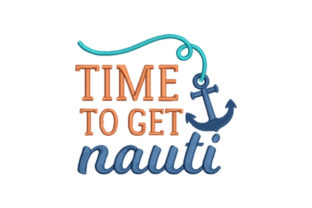
Time to Get Nauti
Some embroidery designs arrive with a personality that’s impossible to ignore. Time to Get Nauti is one of those. From the moment I opened the embroidery file and previewed the layout, I could tell this wasn’t going to be a subtle, blend-into-the-background kind of design. It’s playful, slightly cheeky, and unapologetically bold. The name alone sets a tone that says, “I’m here for a good time, and I’m going to stitch it onto something I love.” As a designer who has tested hundreds of machine embroidery designs for real projects, this one grabbed my attention because it knows exactly what it wants to be.
The visual personality of this design leans into a lighthearted, vacation-ready mood. There’s a nautical theme running through it, but it’s not the stiff, traditional maritime look you might expect from a classic shipwheel or anchor. Instead, it feels like a wink and a nod to anyone who needs a little escape. The lettering, the layout, the overall shape — everything about it suggests movement, fun, and a bit of irreverence. For anyone running a small shop or selling personalized gifts, this is the kind of design that makes people smile when they see it on a finished product. It’s not trying to be elegant. It’s trying to be memorable.
First Impressions and the Mood It Creates
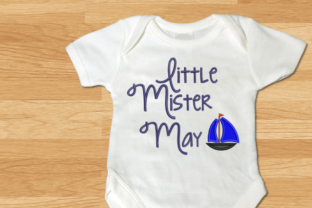
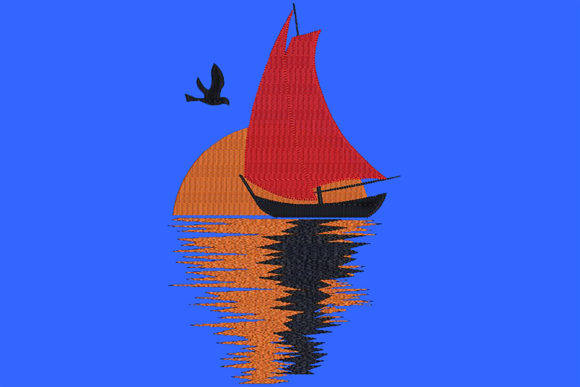
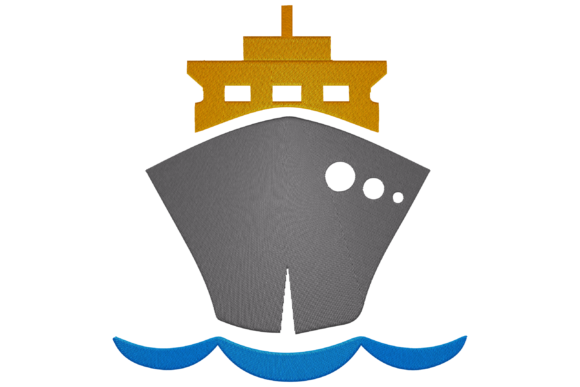
When I first previewed Time to Get Nauti on screen, I immediately thought about where I would stitch it. The design has a clean, readable structure with a central focal point that draws the eye. The lettering is clear and bold, and the accompanying nautical elements — a subtle anchor or sea-related motif — reinforce the theme without overcrowding the composition. The mood is casual, fun, and slightly rebellious. It’s the kind of embroidery that works best on items meant for weekends, vacations, or just adding a dose of personality to everyday wear.
For a beach-themed embroidery design, this one hits the right notes. It doesn’t try to be too detailed or fussy. The layout feels balanced, and the visual weight sits comfortably in the center, which makes it versatile for a range of products. I could see this on a tote bag for a beach trip, a sweatshirt for a casual Friday, or even a cap for someone who wants to declare their love for the ocean with a smirk. The design doesn’t take itself too seriously, and that’s exactly its strength.
Testing It on a Real Project: The Tote Bag Scenario
I decided to test Time to Get Nauti on a medium-weight canvas tote bag. This is a staple product for many small shop owners and Etsy sellers, and it’s also a great canvas for evaluating how a machine embroidery design performs on a practical, everyday item. I hooped the fabric with a medium-weight cutaway stabilizer, checked the hoop size compatibility, and ran a test stitch on a scrap piece first — always a good habit before committing to the final product.
The stitchout was clean and crisp. The satin stitch areas held their shape well, and the fill stitch sections had a nice, even density that didn’t pucker the fabric. The design stitched out without any thread breaks or shifting, which tells me the digitizing was done with care. The lettering remained legible even at the smaller sizes, and the overall design fit the tote bag perfectly without overwhelming the bag’s proportions. I could easily imagine a customer walking into a craft fair or scrolling through an Etsy listing and stopping on this bag because of the design’s personality. It’s the kind of piece that sparks conversation.
For a handmade product, this design adds a lot of value. It’s unique enough to feel like a specialty item, but the theme is broad enough to appeal to a wide audience — beach lovers, boat owners, vacationers, or anyone with a sense of humor. As a personalized gift, it would work well for a friend who loves the ocean or a family member planning a cruise. The design’s playful tone makes it feel like a gift that was chosen with thought, not just picked off a rack.
Performance Across Different Applications
After the tote bag, I wanted to see how Time to Get Nauti would behave on other surfaces. I tested it on a cotton sweatshirt, a structured cap, and a lightweight tea towel. Each surface presented its own challenges, and the design handled them well overall.
On the sweatshirt, the embroidery sat nicely against the knit fabric. The stitch density was moderate enough that the design didn’t feel stiff or heavy, which is important for garments that need to retain some drape. I used a tear-away stabilizer on the back and a light topping to prevent the stitches from sinking into the fleece. The result was a clean, professional-looking embroidered patch that felt soft to the touch but still held its shape.
The cap test was more revealing. Curved surfaces always demand attention, and I was curious how the design’s layout would adapt. The central focus of the design worked well on a cap front, but the lettering needed to be scaled down slightly to fit the curved surface without distortion. I recommend testing the hoop size carefully if you plan to use this design on caps or hats. The design itself is flexible, but the shape of the cap will require some adjustment to keep the stitching centered and balanced.
On the tea towel, the design stitched out beautifully. Tea towels are a popular item for small shops and holiday gifts, and this design added a fun, whimsical touch that would stand out in a kitchen or beach house. The lightweight fabric required a lighter stabilizer and careful hooping to avoid distortion, but the design itself was forgiving enough to produce a clean result.
Where to Use This Design Carefully
Not every surface is ideal for Time to Get Nauti, and as a designer, I always appreciate knowing where a design might struggle. The first thing to consider is the fabric texture. This design works best on medium to heavyweight fabrics. On very thin or delicate fabrics, the stitch density could cause some puckering if the stabilizer isn’t chosen carefully. For lightweight cottons or silks, I recommend using a water-soluble topping and a medium-weight cutaway stabilizer to keep the stitches from pulling the fabric.
Stretchy fabrics, like jersey knits or performance wear, also require attention. The design isn’t overly dense, but the satin stitch areas can be unforgiving on stretchy material if the fabric isn’t stabilized properly. A fusible knit stabilizer or a sticky-back stabilizer can help keep the fabric from distorting during the stitchout.
Dark fabrics are another consideration. The design’s thread colors — if you’re using a lighter palette — may not show up well on black or navy backgrounds. I recommend testing the design on a dark fabric swatch before committing to a final product. If the contrast isn’t strong enough, you might need to adjust the thread colors to ensure the design pops. The same applies to layered garments, like jackets with linings or double-layered sweatshirts, where the hoop might need to accommodate extra thickness.
Small hoop sizes are also a potential issue. The design has a natural width that requires a certain minimum hoop size. If you’re working with a small hoop, check the dimensions carefully before purchasing the embroidery file. You don’t want to find out mid-project that the design doesn’t fit your hoop.
Visual Appeal and Product Value
From a visual standpoint, Time to Get Nauti delivers exactly what it promises. The design is eye-catching without being garish, and the theme is specific enough to feel intentional but broad enough to appeal to a wide audience. For a small business owner or Etsy seller, this design translates well into a finished product that customers will notice. It has a strong giftability factor — people buy embroidery items as gifts, and a design with a fun, memorable phrase like this one is easy to give.
The design also holds up well in terms of brand consistency. If you’re running a shop that specializes in beach-themed or vacation-inspired products, this design fits naturally into that lineup. It’s not a generic anchor or a tired sailboat motif. It’s a fresh, modern take on a nautical theme that feels current and relevant. Customers who are looking for something unique will appreciate the personality behind the design.
For printable mockups and digital product previews, the design presents well. The clean layout and bold lettering make it easy to photograph and showcase in listings. Whether you’re creating a mockup for a tote bag, a sweatshirt, or a cap, the design holds its own visually and doesn’t get lost in the product image.
Practical Designer Notes for the Stitchout
Before you start stitching, here are a few practical notes based on my experience with this design. First, always test the design on scrap fabric that matches your final product. This is non-negotiable. Even if the design looks perfect on screen, real fabric behaves differently. Check the thread color contrast against your fabric. A design that looks great on a light background might disappear on a dark one, and vice versa.
Second, review the stitch density. The design has a balanced density, but if you’re working with a particularly thick or thin fabric, you may need to adjust your stabilizer choice. A medium-weight cutaway stabilizer is a safe starting point for most fabrics. For more delicate projects, consider a lightweight tear-away or a water-soluble topping.
Third, inspect the small details. The lettering in this design is clear, but if you’re scaling it down significantly for a smaller product, the finer strokes might lose definition. Test the design at different sizes if you plan to use it on multiple product types. The design’s proportions hold up well at moderate sizes, but extreme scaling can affect stitch quality.
Fourth, consider black and white mockups. Before committing to a final thread palette, preview the design in grayscale or black and white to see how the contrast works without color. This can help you identify areas where the design might look muddy or indistinct.
Fifth, confirm your licensing terms. This design is a digital embroidery file, and if you’re planning to sell finished products — whether as handmade items, personalized gifts, or commercial merchandise — make sure you understand the license agreement. Some designs allow commercial use, while others are restricted to personal projects. Always check before you start selling.
Final Thoughts on Time to Get Nauti for Your Embroidery Projects
After working with Time to Get Nauti across several projects, I can confidently say it’s a solid addition to any embroidery design library. It’s playful, well-digitized, and versatile enough to fit a range of products — from tote bags and sweatshirts to caps and tea towels. The beach theme is executed with personality, and the design’s visual appeal translates directly into product value for handmade shops and small businesses.
If you’re an Etsy seller looking for a design that will catch customers’ eyes, or a crafter making personalized gifts for friends and family, this design delivers. It’s not overly complicated, but it has enough character to feel special. Just remember to test it on your chosen fabric, pay attention to stabilizer and hoop size, and confirm your licensing before selling finished items. With the right preparation, Time to Get Nauti will stitch out beautifully and bring a smile to whoever sees it.
Whether you’re preparing a custom tote bag for a beach vacation, a sweatshirt for a boutique display, or a tea towel for a holiday gift, this design holds its own. It’s fun, it’s clean, and it’s ready for real projects. That’s exactly what I look for in a machine embroidery design, and this one earns a spot in my regular rotation.