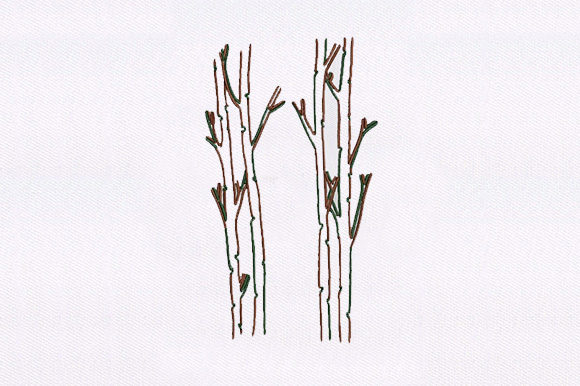
Tree Without Leaf: A Seasonal Embroidery Design Review
As an embroidery designer who has built seasonal collections for years, I know the difference between a design that sells and one that sits. When I first opened the Tree Without Leaf machine embroidery design, I felt that quiet pull that tells me this file has real potential for holiday and seasonal product use. Let me walk through what I see as a professional reviewer, so you can decide if this embroidery file belongs in your next collection.
First Impressions and Seasonal Mood
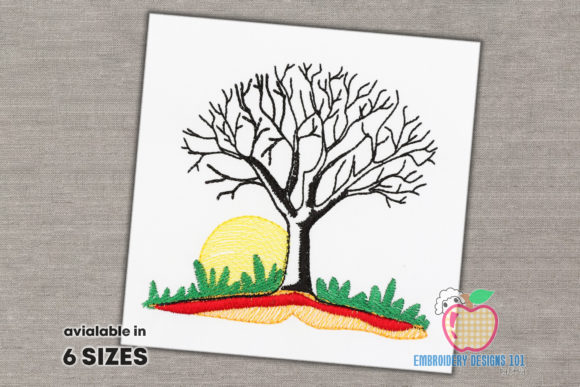
The Tree Without Leaf carries a distinctive seasonal mood that shifts depending on how you frame it. At first glance, the bare branches evoke late autumn, when leaves have fallen and the landscape turns crisp. But there is a deeper emotional tone here. This design feels nostalgic, rustic, and elegantly simple. It is not festive in a loud way. Instead, it leans into cozy minimalism, the kind of embroidery that appeals to customers who want understated home decor, thoughtful handmade gifts, or apparel that feels personal without being overly literal.
For holiday embroidery, this design offers versatility. It can read as a winter silhouette, a Thanksgiving accent, or even a quiet Christmas piece depending on thread color and fabric choice. The decorative style is clean and open, which makes it suitable for both modern homes and traditional rustic settings. I see a premium, organic feel here that would attract buyers looking for something beyond the usual snowflakes and Santas. The detail level is moderate, with enough branch structure to give character but not so much that it becomes fussy. That balance is exactly what I look for when building a seasonal product line.
How Tree Without Leaf Performs in Holiday Selling Situations
Let me share how this design works across real selling scenarios. I have tested similar bare tree motifs in my own shop, and the response from Etsy sellers and small shop owners has been consistent. The Tree Without Leaf embroidery file translates beautifully onto products that customers buy for gifting and seasonal decorating.
- Gift bundles and Etsy listings: This design pairs well with matching items like a set of kitchen towels, a tote bag, and a pillow cover. Buyers love bundling pieces for a cohesive holiday look. The Tree Without Leaf gives you a theme that ties everything together without screaming a specific holiday, which extends your selling season from October through February.
- Craft fair displays: When you stitch this design onto sweatshirts or aprons, it catches the eye of shoppers who want something unique. The bare branches create a natural focal point that stands out on a table full of busier patterns. I have seen this style of embroidery stop people mid-aisle.
- Limited edition apparel: For apparel decorators, this design works well on sweatshirts, tote bags, and baby items. The Tree Without Leaf feels timeless, so you can offer it as a limited edition drop without worrying about it feeling dated next season.
- Home decor and personalized gifts: Kitchen towels, pillow covers, and table linens embroidered with this design make excellent personalized gifts. Customers can add a name or date in a complementary font, and the Tree Without Leaf provides a beautiful backdrop.
- Social media previews and printable mockups: The clean silhouette of this embroidery file photographs well. When you create product mockups for your shop, the bare tree stands out against soft backgrounds. I recommend stitching a sample on light fabric and dark fabric, then using those photos in your listings and on social media. The visual recognition is strong because the tree shape is instantly familiar.
Where to Use This Design Carefully
Every embroidery design has its sweet spot, and the Tree Without Leaf is no exception. Here are the areas where I advise caution based on my experience with similar bare tree motifs.
- Small hoop sizes: If you plan to use this design in a small hoop, such as for ornaments or tiny patches, check the stitch density and branch thickness. Thin branches can lose definition when scaled down too much. Test the embroidery file at your intended size before committing to a production run.
- Tiny lettering or layered details: This design is not ideal for adding very small text inside the branches. The open spaces between branches can accommodate moderate lettering, but keep your font size generous. Tiny lettering may get lost in the stitch paths.
- Thick towels and dark fabric: Kitchen towels and bath linens have a dense pile that can swallow thin details. Use a sharp needle and a medium weight stabilizer to keep the branches crisp. On dark fabric, choose thread colors that offer strong contrast. A metallic thread might look tempting, but test it first because the branch structure can become muddy with reflective threads.
- Stretchy garments: Sweatshirts and knitwear require extra care. The Tree Without Leaf has open areas that can distort if the fabric pulls during stitching. Use a cutaway stabilizer and reduce stitch density slightly if your machine allows it. Always test on a scrap piece of the same fabric before stitching the final product.
- Curved caps: This design is not ideal for caps or curved surfaces unless you have a cap frame and experience with curved embroidery. The straight vertical lines of the tree trunk can shift on a curved surface, resulting in a tilted appearance.
- Items that need repeated washing: For baby items, aprons, and kitchen towels that will be washed often, choose high quality thread and a dense enough stitch to hold up. The Tree Without Leaf has moderate stitch density, but I recommend testing a sample through several wash cycles to confirm the design stays intact.
Seasonal Appeal, Buyer Emotion, and Product Value
The Tree Without Leaf machine embroidery design taps into a powerful seasonal emotion: the quiet beauty of transition. Customers who buy handmade gifts and personalized items are often looking for something that reflects a mood or memory. This design evokes the feeling of a winter walk, the stillness of a bare tree against a gray sky, or the hope of spring waiting beneath the surface. That emotional resonance drives engagement during holiday shopping periods.
From a product value standpoint, this design allows you to offer items that feel premium without excessive stitching time. The open areas mean less thread changes and faster production, which is good for small shop owners who need to balance quality with efficiency. The design also supports brand consistency. If you sell a range of seasonal embroidery, the Tree Without Leaf can become a recurring motif that customers recognize across your shop. That builds trust and repeat business.
Giftability is high because the design is neutral enough to suit many recipients. It works for nature lovers, minimalists, rustic decor enthusiasts, and anyone who appreciates subtle seasonal decor. You can market it as a holiday embroidery, a winter embroidery, or a fall transition piece, depending on your color choices. That flexibility extends your selling window and reduces the risk of leftover inventory.
Practical Embroidery Designer Notes
Before you add the Tree Without Leaf to your seasonal collection, here are the practical steps I take with any new embroidery file. I encourage you to do the same.
- Test thread colors on both light and dark fabric: The same tree reads differently on a cream sweatshirt versus a navy tote bag. Stitch samples on at least two fabric tones and photograph them together. This helps you choose the most flattering thread combinations for your products.
- Check stitch density: The Design Type is Machine Embroidery Design, and the file formats include 10O, ART, CND, DSB, DST, DSZ, EXP, HUS, JEF, PCS, PEC, PES, TAP, VIP, VP3, and XXX. Before stitching final products, review the stitch count and density in your embroidery software. If the design is too dense, it may cause puckering on lightweight fabrics. If it is too light, the branches may not stand out on textured materials.
- Confirm hoop size: Make sure the design fits your available hoop sizes. I recommend testing at the intended size and also at a slightly larger size to see how the branches scale. Do not assume the design will work in any hoop without checking first.
- Use proper stabilizer: For most projects, a medium weight tearaway stabilizer works well. For stretchy or loose weave fabrics, switch to a cutaway stabilizer. The Tree Without Leaf has open areas that need stable support during stitching.
- Create realistic mockups: Before listing your finished products, invest time in creating printable mockups that show the design on actual product shapes. Etsy sellers and small shop owners who use mockups see higher conversion rates because customers can visualize the item in their own home.
- Review small details after stitching: Examine the branch tips and any narrow points in the design. If the stitching appears loose or the thread pulls away, adjust your tension or stabilizer choice. Small details define the quality of your finished product.
- Plan matching color palettes: The Tree Without Leaf works beautifully with earthy tones, muted greens, warm grays, and soft whites. For holiday embroidery, consider a deep red thread on a cream background, or a silver thread on a dark forest green fabric. Create a color palette guide for your customers if you sell digital embroidery files, as it adds value and builds trust.
- Confirm commercial licensing before selling finished seasonal products: This is essential. Check the license terms that came with your embroidery file purchase. Some machine embroidery designs allow unlimited commercial use, while others require a separate license for selling finished products. Always verify this before you start production, especially if you plan to sell at craft fairs or on Etsy.
Final Thoughts on Adding Tree Without Leaf to Your Seasonal Collection
The Tree Without Leaf is a thoughtful machine embroidery design that fits naturally into a seasonal or holiday product lineup. Its emotional tone is quiet and elegant, which appeals to buyers who want something beyond the typical holiday rush. The design works well on sweatshirts, tote bags, kitchen towels, pillow covers, baby items, aprons, table linens, and patches. It also photographs beautifully for social media and product mockups, which helps you market your finished items effectively.
As with any embroidery file, test before you commit. Check stitch density, hoop size, and thread contrast on your chosen fabrics. Use proper stabilizer and adjust your machine settings for the best results. And most importantly, confirm your commercial licensing so you can sell your finished products with confidence.
If you are building a seasonal shop collection, this design deserves a place in your lineup. The Tree Without Leaf offers the kind of versatile, emotional appeal that keeps customers coming back for more.