Super Mum Embroidery Design Review for Craft Fair Sellers
As someone who has spent years turning machine embroidery designs into craft fair products that actually sell, I have learned to spot a winner—or a potential headache—within minutes of opening the file. When I first looked at the Super Mum design, I felt a mix of curiosity and cautious optimism. The name is direct, the sentiment is universal, and Mother’s Day is a perennial goldmine for handmade sellers. But does this machine embroidery design hold up when you stitch it out on a tote bag, a tea towel, or a cap for a weekend booth? Let me walk you through my honest review, from first impression to final product, with practical notes for anyone planning to offer embroidered items at craft fairs or on Etsy.
First Impression: Bold, Modern, and Heartfelt
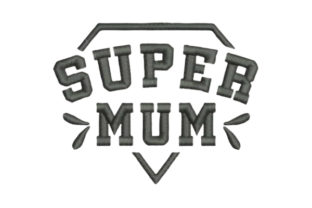
The Super Mum design immediately reads as bold and modern with a touch of playful sincerity. It is not overly fussy or vintage—it feels fresh, confident, and intentionally contemporary. The lettering likely carries a clean, slightly rounded style that makes it approachable rather than strict. The word “Super” suggests a bit of energy, while “Mum” keeps it warm and personal. This combination lands squarely in the “cute but not childish” zone, which is exactly where many boutique shoppers live. If the design includes any decorative elements—like a small star, crown, or heart—those small accents can elevate the piece without making it feel busy. From a craft fair display perspective, this design is likely to catch the eye from across a booth because of its clear, strong lettering and positive message. It feels like a product that could fit on a shelf next to farmhouse-style decor or modern minimalist gifts without looking out of place.
How Super Mum Performs on Popular Craft Fair Products
When I evaluate a machine embroidery design for real-world selling, I test it on the products I know shoppers actually pick up. Here is how Super Mum performs across the most common handmade market categories.
Tote Bags and Market Bags
Tote bags are a staple for craft fair sellers, and Super Mum is a natural fit here. The design works well as a centered statement on a canvas tote or a smaller accent near the top edge. Because the design is likely moderate in size, it will not overwhelm a standard 12x15 inch bag, but it also does not get lost. The bold lettering ensures the message is readable from a few feet away, which is critical when customers are scanning a booth quickly. For batch production, this design repeats easily across multiple bags in different colors—black lettering on natural canvas, white on navy, or gold on blush pink. The only caution is to check the stitch density on the lettering; if the letters are too dense, they may cause the fabric to pucker, especially on lightweight canvas. A medium-weight cutaway stabilizer is usually the safest choice for tote bags.
Apron Embroidery
Aprons are another excellent product for Super Mum, particularly for Mother’s Day gift sets. The design can be placed on the bib of a chef apron or lower on a waist apron. Because aprons are often given as practical gifts, the message “Super Mum” feels encouraging and personal. The design should be hooped securely, and I recommend testing it on a scrap piece of apron fabric first to ensure the thread colors pop against the background. Darker apron fabrics like deep red or forest green can make the design stand out powerfully, but light fabrics like cream or pastel pink keep the look soft and feminine. Either way, the design retains its clarity as long as the hoop size is appropriate for the letter height.
Tea Towel Embroidery
Tea towels are a craft fair bestseller, but they demand careful design choices. The Super Mum design, if it uses small or thin lettering, could become problematic on textured towels. The open weave of linen or cotton towels can cause fine details to disappear or become distorted. I advise checking the design’s smallest elements—if there are any tiny stars or thin script letters, they may not stitch cleanly. However, if the design is primarily bold block or sans-serif letters, tea towels are a fantastic option. The design can be placed near the hem for a balanced look. I also suggest using a water-soluble stabilizer on top to prevent the stitches from sinking into the fabric. This is especially important for terry or waffle weave towels, which are popular at handmade markets.
Embroidered Patches
Patches are a growing category, and Super Mum could become a popular patch design for denim jackets, backpacks, or tote bags. The key here is to ensure the design has a clean edge and can be stitched with a satin border. The design’s lettering should be large enough to remain readable when reduced to patch size, typically 3 to 4 inches wide. If the original design is intended for larger items, the seller may need to check if the embroidery file can be resized without losing quality. Patch production also requires a dense stitch count to create a sturdy fabric, so the design’s density must be appropriate. I recommend running a test patch on felt or twill before committing to a batch.
Caps and Hats
Hats are tricky for any embroidery design, and Super Mum is no exception. The design’s lettering must be placed on the front panel of a cap, which is usually curved and structured. If the lettering is too wide or has thin details, it may warp or distort on the curved surface. I would only recommend this design for caps if the letters are at least 0.4 inches tall and the overall width is under 4 inches. A cap frame or a hoop specifically designed for hats is essential. The best thread colors for caps are high-contrast against the hat fabric—white on a charcoal cap, for example, or metallic gold on a navy cap. Test the design on a practice cap before selling to avoid issues with alignment or puckering.
Pillow Covers and Small Pouches
Pillow covers and fabric pouches are excellent for adding a personalized touch to a booth. Super Mum can be stitched on a throw pillow cover as a gift item, or on a small zipper pouch as a low-cost impulse buy. The design works well on cotton, linen, or even velvet if the stabilizer is chosen carefully. For pillow covers, the design can be placed off-center for a modern look or centered for a classic feel. Small pouches, which are often 8x4 inches or similar, will require the design to be scaled down. If the design has fine details, scaling down might cause them to stitch poorly. I suggest testing the design at 75% and 100% of the original size to see which looks best on the product.
Practical Selling and Production Points for Craft Fair Sellers
When I prepare for a craft fair, I think about how each design will help me sell efficiently. Super Mum has several strengths that make it a strong candidate for your product lineup.
Easy to Understand at a Glance
The message is immediate. “Super Mum” is a phrase that resonates with buyers, especially those shopping for Mother’s Day. Shoppers do not need to read a sign or ask a question to understand the product. This is a huge advantage at a crowded fair where attention spans are short. The design practically sells itself, which gives you more time to engage with customers about other products.
Works as a Small Accent or Large Focal Design
Depending on your hoop size and the embroidery file’s original dimensions, Super Mum can be used as a small accent on a pocket or a large focal point on a tote bag. This flexibility means you can create a range of products at different price points. For example, a small pouch with the design might sell for $12, while a large tote bag could be priced at $28. Having a variety of price points helps you capture different customer budgets.
Photographs Well for Online Listings
If you sell on Etsy or other online platforms, the design’s bold lettering and clear message will photograph nicely. The text is readable in thumbnail images, which is critical for click-through rates. I recommend creating a few printable mockups or digital embroidery file previews to show the design on different products. A well-lit photo of the finished product on a neutral background will help buyers visualize the item. Also, consider adding a short video showing the embroidery detail up close—this builds trust and highlights the handmade quality.
Repeatable for Batch Production
Once you have the design properly digitized and tested, stitching out multiple units is straightforward. The design likely uses a moderate number of thread colors—probably one or two—which keeps thread changes quick and reduces production time. For a craft fair, you can produce a batch of 10 to 20 items in a few hours, making it feasible to replenish stock during the season. Just be sure to check the embroidery file’s original format and confirm it is compatible with your machine before starting bulk production.
Careful-Use Notes: Where Super Mum May Need Extra Attention
No design is perfect for every product, and Super Mum has a few areas that require careful consideration before you commit to a large run.
Dense Stitch Areas and Small Details
If the design includes areas of high stitch density, such as solid lettering that is heavily filled, the fabric may become stiff or puckered. This is especially problematic on lightweight fabrics like cotton voile or thin t-shirts. I recommend using a lightweight cutaway stabilizer and a sharp needle (size 75/11 or 80/12) to reduce tension issues. If the design has small decorative elements like tiny hearts or stars, test them on a scrap piece to ensure they do not become messy or lose their shape. Small details often require a slower stitching speed and a well-maintained machine.
Tiny Lettering
If the word “Super” or “Mum” includes very small lettering, especially in a script font, it may not read clearly on certain fabrics. Textured fabrics like linen or terry cloth can cause small letters to blur. For these fabrics, I recommend using a water-soluble topper to keep the stitches on top of the fabric. For caps, the curve can distort small letters, so avoid reducing the design below the recommended minimum height. If the design’s letters are under 0.3 inches tall, they may be too small for some products.
Dark Fabric Considerations
If you plan to stitch Super Mum on dark fabric, thread color choice becomes critical. White or bright metallic threads will stand out well, but pastel or light colors may not contrast enough. Embroidery on dark towels or dark canvas can be beautiful, but it also requires careful hooping and a high-quality thread that does not show fabric peek-through. I always stitch a test sample on a dark fabric scrap before committing to a batch. Also, check that the design’s underlay is sufficient to prevent the fabric from showing between stitches.
Visual Appeal, Customer Attention, and Handmade Quality
A craft fair booth is a visual marketplace, and Super Mum has the potential to draw customers in. The design’s positive message creates an emotional connection. Shoppers often stop because they see a gift for their own mother or a friend. The handmade quality of the embroidery—the slight texture of the thread, the sheen of the stitches—adds value that cannot be replicated by a printed design. This is where you can differentiate your products from mass-produced items. When customers see the careful stitching, they perceive higher quality and are often willing to pay a premium.
Brand consistency is also important. If you use Super Mum across multiple products in your booth, it creates a cohesive look. You can group the items together on a table or shelf, making it easy for customers to browse. The design’s modern, bold feel aligns well with a contemporary handmade brand. If your booth leans toward rustic or farmhouse decor, the design may still fit if the colors are muted and the fabric choices are natural. For a more whimsical or playful brand, the design can be paired with bright colors and playful accessories.
Practical Embroidery Designer Notes for Production
Before you start stitching Super Mum for your craft fair booth, take these steps to ensure a smooth production process.
- Test the design on scrap fabric that matches the weight and texture of your final products. This is non-negotiable. Even the best digital embroidery file can behave differently on different fabrics.
- Check thread contrast by stitching a sample with your chosen thread and fabric combination. Hold the sample at arm’s length to see if the design reads clearly. If it blends in, choose a different thread color.
- Review the spacing of letters and any decorative elements. The design should have enough breathing room between letters to avoid them touching or merging, especially if the fabric shifts during stitching.
- Confirm the hoop size required for the design at its original size. If you plan to resize the design, ensure your embroidery software maintains quality and that the stitch count is appropriate for the new size.
- Inspect stitch density by looking at the design in your software. If the density is too high, consider reducing it slightly or using a lighter stabilizer. If it is too low, the design may look sparse.
- Use the right stabilizer for each product. For tote bags and aprons, medium-weight cutaway stabilizer works well. For tea towels, use a water-soluble topper and a lightweight tear-away. For patches, use a heavy tear-away or cutaway, and consider a backing layer for stiffness.
- Create at least one real mockup of the finished product before you produce a batch. A real mockup helps you see how the design interacts with the product’s shape, size, and fabric drape. It also gives you a sample to display in your booth or photograph for online listings.
- Compare fabric colors to your thread colors. A dark design on a light fabric can be striking, but a light design on a dark fabric requires a thread that is opaque enough to cover the fabric. White thread on dark fabric often needs two passes or a dense underlay.
- Confirm commercial licensing before selling finished products. Since the product description mentions that this is a machine embroidery design, check the license terms that came with the file. Some designs are for personal use only, while others allow commercial use. If you are an Etsy seller or craft fair vendor, make sure you have the right to sell the finished items. If in doubt, contact the designer.
Final Thoughts on Super Mum for Handmade Market Success
After reviewing Super Mum from every angle—first impression, product compatibility, production practicality, and market appeal—I can confidently say this design has strong potential for craft fair sellers and handmade product creators. Its bold, modern lettering and heartfelt message make it a versatile choice for tote bags, aprons, tea towels, and patches. The design is easy to understand at a glance, photographs well for online listings, and can be produced in batches without excessive complexity. However, it is not without its challenges. Fine details, tiny lettering, and textured fabrics require careful testing and the right stabilizer choices. As with any machine embroidery design, the key to a successful finished product lies in preparation. Test thoroughly, choose your products wisely, and always keep the customer’s perspective in mind. If you do that, Super Mum could become a staple in your shop’s Mother’s Day lineup—and a design that keeps customers coming back for more.