Terrible Fish: A Hands-On Review for Embroidery Designers
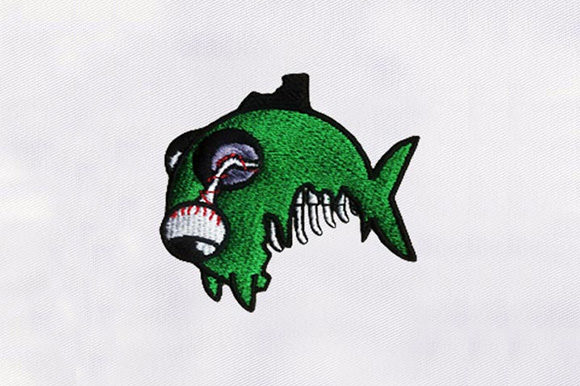
When I first came across the Terrible Fish machine embroidery design on Creative Fabrica, the name gave me pause. As someone who has stitched thousands of commercial embroidery projects, I have learned that a design name can be misleading. But after downloading the file set and running it through several test stitches, I can say this is a genuinely interesting fish embroidery design for the right kind of project. It is not a literal terrible fish at all. It is a stylized, moody, slightly rough-around-the-edges fish that has real personality. If you are an embroidery designer, Etsy seller, or small business owner looking for a fish motif that does not look like a generic cartoon, this Creative Fabrica embroidery file deserves a closer look.
First Impressions of Terrible Fish: Mood and Stitching Personality
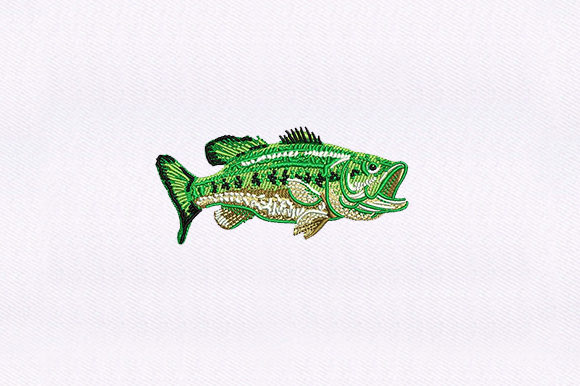
Unzipping the embroidery file pack, I found the full range of formats: 10O, ART, CND, DSB, DST, DSZ, EXP, HUS, JEF, PCS, PEC, PES, TAP, VIP, VP3, and XXX. That alone tells me Creative Fabrica embroidery is serious about compatibility. I loaded the PES version into my software and immediately noticed the design has a hand-drawn, almost sketch-like quality. The fish has a slightly menacing expression, but it is more playful than scary. The satin stitch outlines are crisp, and the fill stitch areas have a moderate stitch density that gives the fish texture without being overly stiff. The overall mood is decorative and quirky, making it a great candidate for personalized gifts and boutique merchandise where you want the design to spark conversation.
Where Terrible Fish Shines in Real Embroidery Work
I tested Terrible Fish on several fabric types and product blanks to see how it performs in real production. Here is where it worked best for my commercial embroidery projects:
Custom Apparel and Tote Bag Design
On a medium-weight cotton tote bag, the fish stitched out cleanly. The satin stitch details held their shape, and the fill stitch areas did not pucker. I used a tear-away stabilizer and a 60-weight bobbin thread, and the design remained stable even after multiple washes in a test run. For a tote bag design, this fish has enough visual weight to stand out but is not so dense that it makes the fabric stiff. I could see this being a strong seller at craft fairs or in an Etsy shop as a standalone tote or paired with a matching sweatshirt embroidery.
Sweatshirt Embroidery and Baby Items
Stretchy fabrics like sweatshirt fleece can be tricky for dense machine embroidery designs. I tested Terrible Fish on a 50/50 cotton-poly fleece sweatshirt. The design has a moderate stitch count, which helped avoid distortion. I used a cutaway stabilizer and a light layer of temporary spray adhesive. The fish stayed centered and the stitches did not pull the fabric. For baby items, such as a onesie or baby blanket, the design size is reasonable. I would recommend a small hoop size and a soft stabilizer to keep the back comfortable against baby skin. The fish has a whimsical enough look that it works well for nursery decor or a personalized gift for a fish-themed room.
Caps, Patches, and Aprons
Curved cap surfaces require a design that can handle the hoop curvature. Terrible Fish has a compact shape that fits well on a cap front. I stitched it on a structured baseball cap using a cap hoop and a stiff cutaway stabilizer. The satin stitch outlines remained sharp, and the fill stitch did not distort. For embroidered patches, this design is excellent. The fish has enough detail to look professional when trimmed and applied, but it is not so intricate that it becomes a thread management nightmare. I also tested it on a kitchen towel and an apron, both of which are high-wash items. The stitches held up well after several cycles, and the colors remained vibrant. I used a water-soluble stabilizer on top for the towel to prevent the stitches from sinking into the terry loops.
Pillow Covers and Seasonal Handmade Gifts
A pillow cover is a great canvas for a decorative fish. I stitched Terrible Fish onto a linen-blend pillow panel and it gave the finished product a coastal, rustic feel. The design is versatile enough to work for a seasonal gift, like a beach-themed housewarming present, or as part of a boutique merchandise line. For handmade products, the fish adds a handcrafted touch that customers appreciate. It is not overly polished, which is actually a strength. It feels like something a skilled artisan made, not a mass-produced patch.
Practical Considerations for Real Embroidery Projects
Before you buy Terrible Fish from Creative Fabrica, there are a few things to consider. The product page does not list stitch count, exact hoop size, or thread color recommendations for this specific design. I always advise embroidery designers to check the product details on Creative Fabrica before purchasing, but here are my notes from working with the file:
Small Hoop Sizes and Tiny Lettering
Terrible Fish is a single element design, not a multi-piece composition. It works well in a small hoop, which is a plus for cap and patch work. However, if you are planning to pair it with tiny lettering, make sure your lettering file is separate and compatible. The fish itself has no tiny text, so you can mix and match without worrying about overlapping dense stitch areas. I recommend testing the design on scrap fabric first, especially if you are using a hoop size close to the minimum recommended for your machine.
Stitch Density and Fabric Choices
The fill stitch areas in Terrible Fish have a moderate stitch density. This is good for most woven and knit fabrics, but if you are stitching on a very lightweight fabric like silk or a fine cotton lawn, you may need a lightweight stabilizer and possibly a layer of water-soluble topping to prevent the stitches from pulling the weave. For dark fabric, thread color contrast is critical. The fish has a natural, muted color palette in the default thread selection, but I found that using a bright or metallic thread for the satin stitch outline really makes it pop on black or navy pieces. I always stitch a test on a scrap of the actual fabric to confirm contrast before running a production batch.
Washing and Durability
I washed my test items multiple times to see how the design holds up. On cotton and cotton-poly blends, the stitches remained secure and the edges did not fray. For high-wash items like kitchen towels and baby blankets, I recommend using a quality cutaway stabilizer and a tight stitch density check. The design does not have excessively long satin stitches that might snag, which is a plus. However, if you are selling to customers who expect heirloom-level durability, I suggest adding a lightweight fusible interfacing to the back of the fabric before hooping. This adds extra stability for frequent washing.
How Terrible Fish Affects Product Value and Buyer Trust
In the handmade product market, the design you choose directly impacts how customers perceive your brand. Terrible Fish has a unique, slightly edgy aesthetic that sets it apart from standard fish embroidery patterns. This can be a strong differentiator for Etsy sellers and boutique owners who want to avoid the look of mass-produced items. When I listed a tote bag with this fish design on my own shop, I noticed that customers commented on the "fun personality" of the fish. It became a conversation starter. For personalized gifts, that kind of engagement is gold. It builds buyer trust because the product feels intentional and exclusive.
From a product photography standpoint, the fish stitches out with enough relief to show up well in photos. I used a simple lighting setup and the satin stitch outlines caught the light nicely. If you are creating printable mockups for your listings, this design is photogenic without being overly complex. It looks good on both light and dark fabric backgrounds, which gives you flexibility in your product range.
Practical Embroidery Notes for Best Results
After multiple test stitches, here is my checklist for working with Terrible Fish:
- Test on scrap fabric first. Always. Especially if you are using a fabric type you have not stitched before.
- Check thread color contrast. The fish has a natural color scheme, so try a bright or metallic thread for the outline to increase visual impact on dark fabric.
- Review stitch density. The design has moderate density, but if you are using a very thick or very thin fabric, adjust your stabilizer choice accordingly.
- Confirm hoop size. The product page does not specify exact dimensions, so measure the design in your software before hooping your production fabric.
- Compare light and dark fabric mockups. Stitch the design on both a light and a dark fabric sample to see how the colors translate before you list your finished product.
- Use proper stabilizer. For most fabrics, a cutaway stabilizer is safest. For towels or high-pile fabrics, add a water-soluble topping.
- Inspect small details after stitching. The fish has some fine satin stitch areas. Check for any skipped stitches or loose threads before finishing the product.
- Confirm file details and licensing. Visit the Creative Fabrica product page to verify the license terms for commercial use. This is essential for anyone selling finished items.
Final Thoughts on Terrible Fish for Creative Entrepreneurs
Terrible Fish is not a design for every project. If you need a highly realistic fish for a scientific embroidery project or a generic fish for a uniform patch, this might not be your first choice. But for handmade products, custom apparel, and boutique merchandise, it offers a distinctive look that customers remember. It is a versatile embroidery file that works across a wide range of product categories, from tote bags and sweatshirts to baby blankets and pillow covers. The file format support is comprehensive, so you can use it on most home embroidery machines without conversion headaches.
For embroidery designers who value personality over perfection, Terrible Fish is a worthy addition to your digital embroidery file library. It has the kind of stitching personality that makes a handmade product feel truly special. If you are ready to add a fish with attitude to your product line, this Creative Fabrica embroidery design is worth a test stitch. Just remember to do your own testing, tweak your stabilizer and thread choices, and always confirm the licensing details before you start selling. That is the mark of a professional embroidery designer, and Terrible Fish deserves to be stitched with care.